

1% for the Planet
One percent of everything we make. We are a member of 1% for the Planet, and our partner is SeaTrees — here is what that actually means, and what it does not.
The commitment
NINE15 is a member of 1% for the Planet. Members give one percent of annual sales, not profit, to approved environmental partners, and the figure is certified every year against real receipts. We agreed to it up front rather than deciding on an amount at the end of each year.
Why revenue and not profit
Profit can be managed down; revenue cannot. An agency can have a thin year and still have taken plenty of money in, so a percentage of sales keeps the number honest when margins move. It also grows as we grow, without anyone having to re-open the question.
Why an ecommerce agency
We help brands sell more things, and things get made, boxed and shipped. We would rather fund some of the work on the other side of that than ignore it. We also build stores that waste less: pages that do not ship megabytes of unused JavaScript, images sized to the screens they land on, and fewer abandoned carts chasing the same sale twice.
What it is not
This is not carbon offsetting and it cancels nothing out. Our rates would be the same without it, and it does not make the work we do climate-neutral.

Where the one percent goes
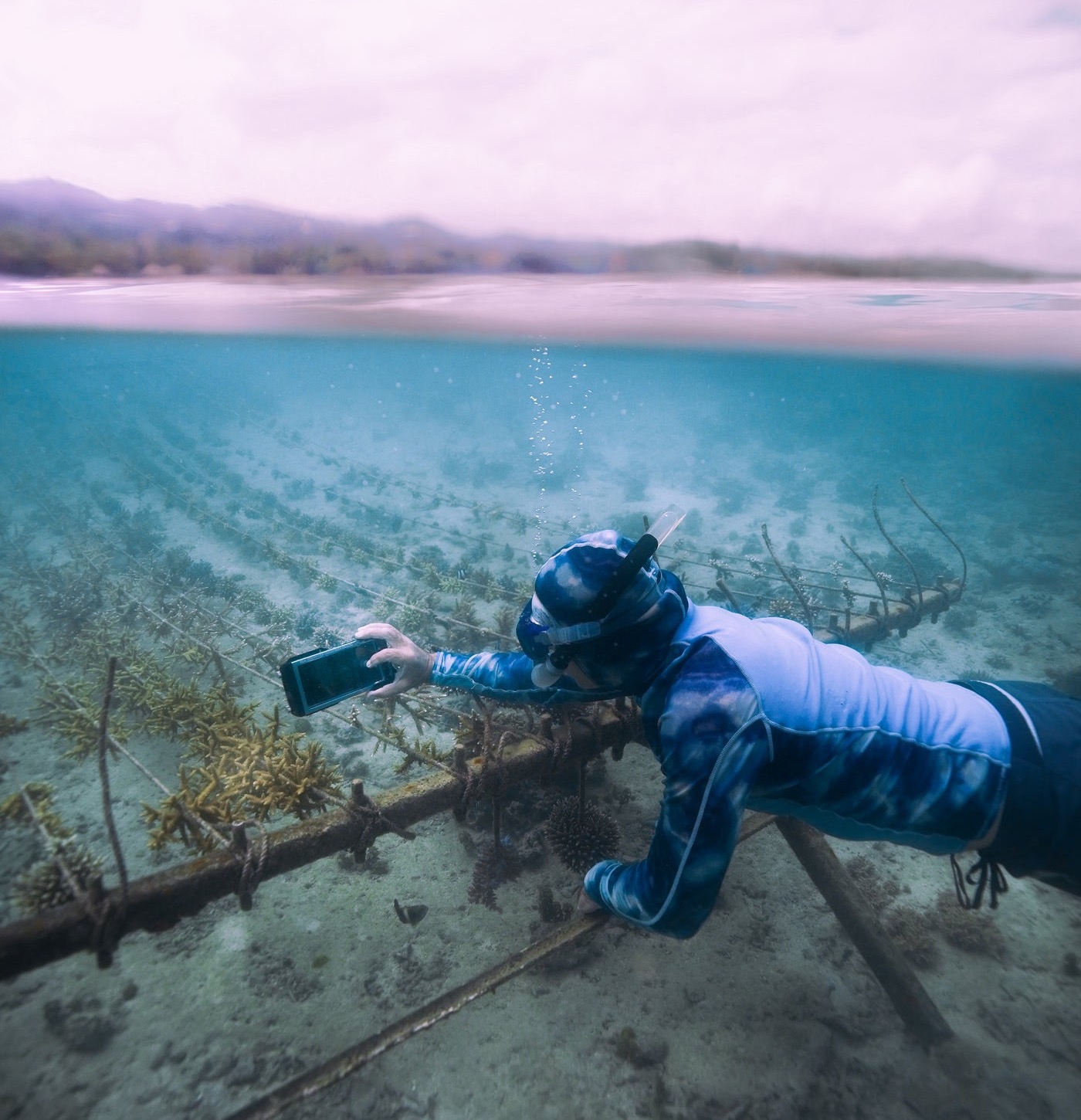
SeaTrees restore blue-carbon ecosystems: mangroves, kelp forests, coral reefs, seagrass, coastal watersheds and shellfish reefs. Every project is run by a local partner on the coast it belongs to, and monitored afterwards for survival and biodiversity, which matters more than the planting photo.
Their work runs from mangroves in Kenya and Baja to kelp off San Diego and Portugal. We also built and maintain seatrees.org, and hosted a Commerce Collective founder roundtable with them for Ocean Month.
Learn more about SeaTrees →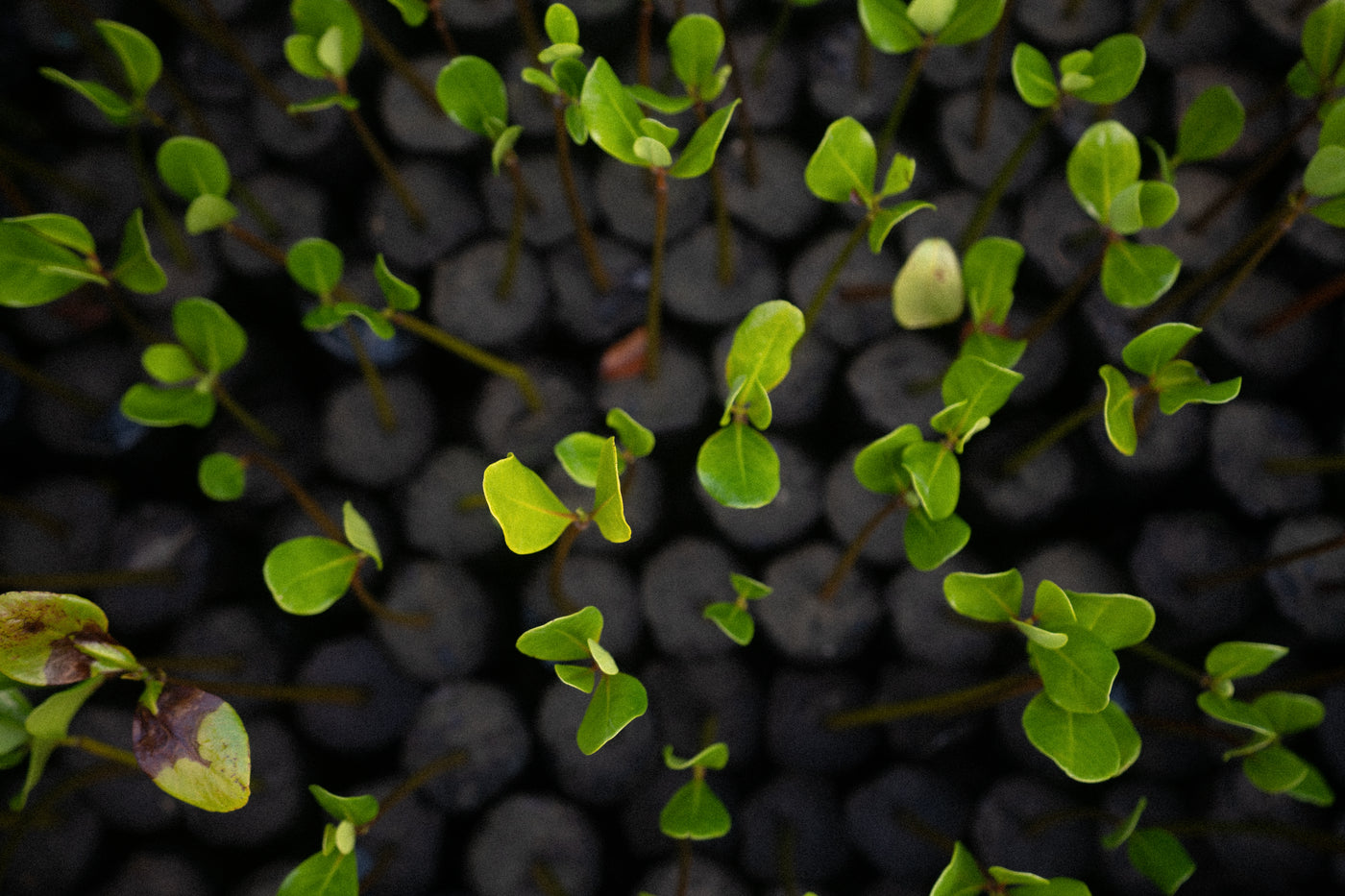
Mangrove seedling nursery, Mida Creek, Kenya. Photo: SeaTrees.
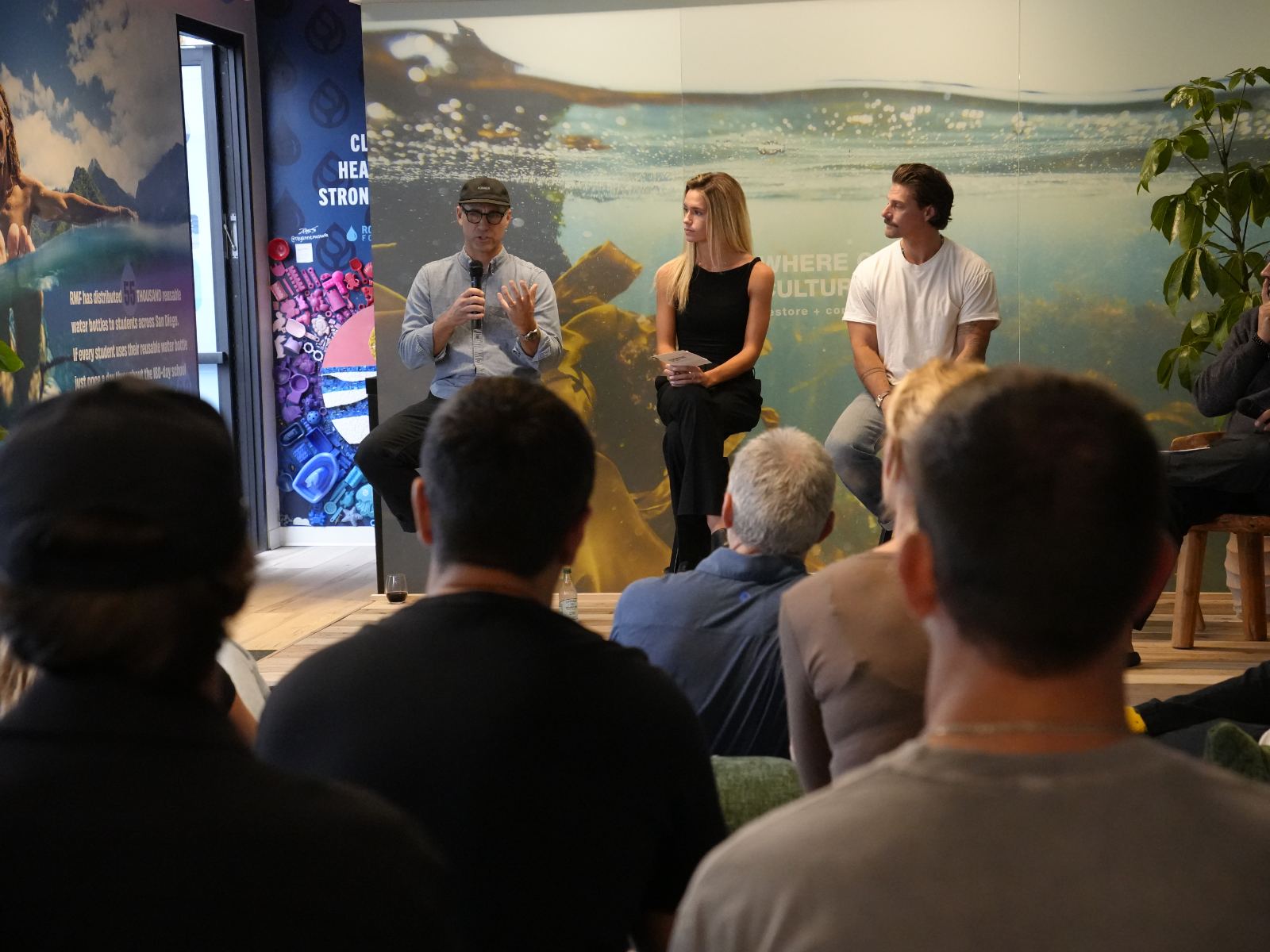
Our Ocean Month roundtable with SeaTrees, hosted at Sea House.
We office out of Sea House
Sea House is SeaTrees' space, dedicated to putting people physically close to the coastal ecosystems the work is trying to protect. We work from there.
It puts the people restoring kelp and the people building ecommerce stores in the same building, which tends to produce better conversations than a quarterly report would.
Visit Sea House →Working with brands who care about this
A growing number of the brands we work with are members themselves, or B Corps, or just trying to make fewer bad trade-offs. If sustainability is part of how you sell, we already speak the language.
More about the organisation behind the commitment at onepercentfortheplanet.org. Questions, or want to talk about this on a project: hello@nine15.com.